15 Cheap DIY Chicken Run Ideas for Your Chickens
Want a big chicken run without spending a lot of money? These fifteen cheap DIY chicken run ideas are the builds real backyard keepers actually finish — each one with a spec card covering footprint, how many hens it suits, what it really costs in 2026, and how hard it is. Idea #1 is the A-frame run on wheels our readers ask about most.
Every cost below is an estimate from typical US hardware-store prices in 2026, assuming you buy mesh and fasteners new and scavenge what the idea says you can scavenge. Every sizing figure follows the same rule: at least 10 square feet of run per hen. And every build assumes you will predator-proof it properly — cheap should never mean an open door to a raccoon.
1. A-Frame Chicken Run on Wheels (Chicken Tractor)
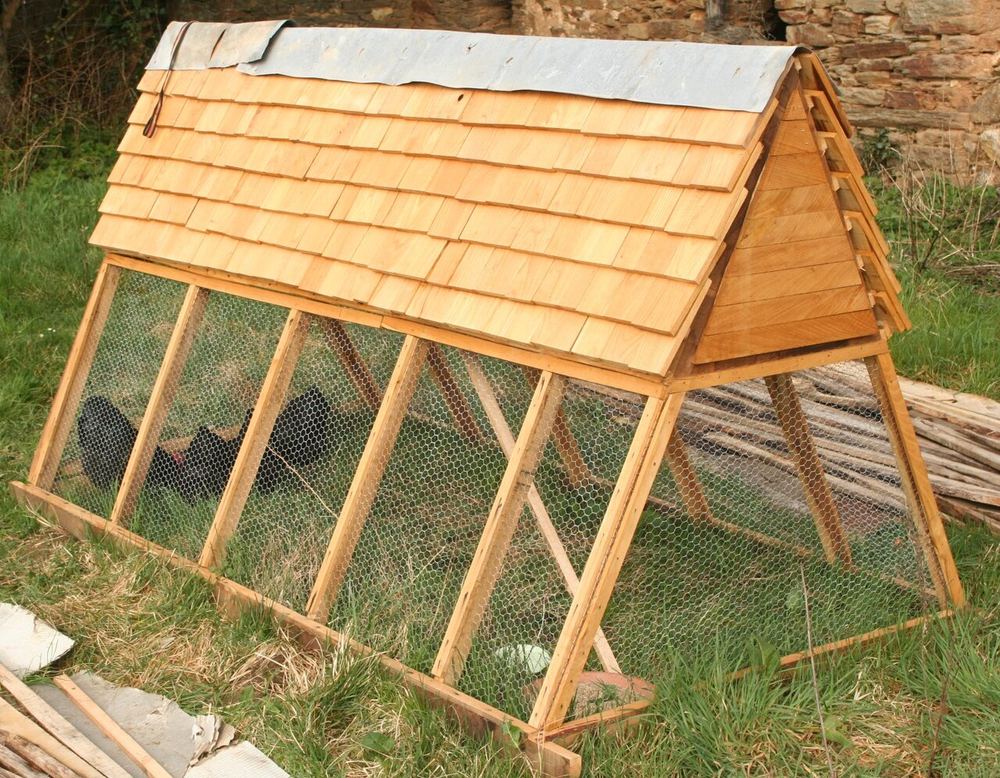
Side profile of the A-frame tractor: steep mesh slopes shed rain, the low end is the sheltered roosting section, and the whole run moves on two wheels.
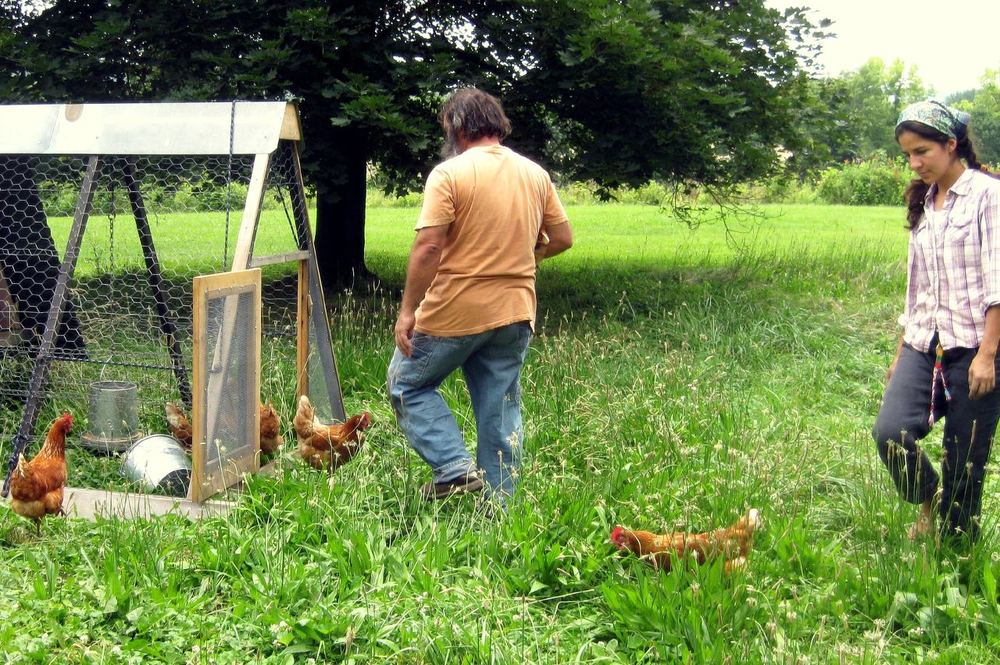
The design in the photo that started this site: a triangular A-frame with wire on both slopes, a small sheltered section at one end, wheels at the back and lift handles at the front. You move it a body-length every day or two, so the hens always have fresh grass and no patch of lawn gets scratched to mud.
Build it light or you will stop moving it — that is the whole game. Use 2×2 or 2×3 framing instead of 2×4 where you can, keep the ridge at 4–5 feet, and put the wheels on a simple axle so one person can lift and roll it. It is a run and light shelter in one, best paired with a secure coop for the night in raccoon country.
2. Pallet Wood Chicken Run
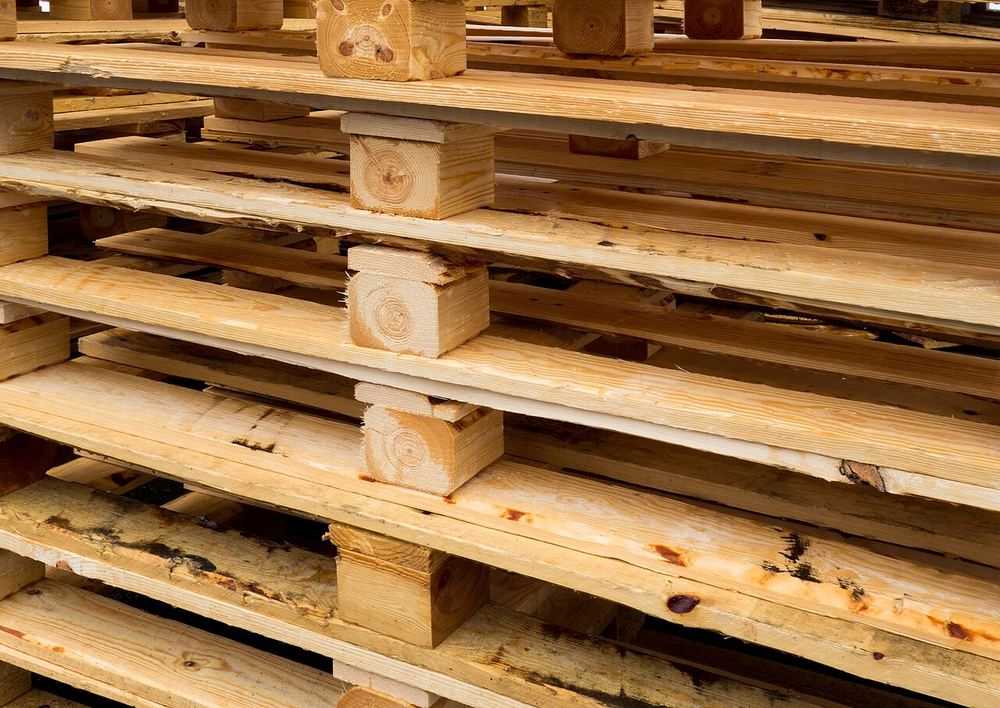
Stand sound pallets on edge, screw them together into walls, line the inside with welded wire or hardware cloth, and you have a run for the price of the mesh and a box of screws. Pallet slats are not predator-proof on their own — the gaps are far too big — so the mesh lining is not optional.
Choose heat-treated pallets (stamped HT), never chemically treated (MB) ones, and expect to reject a third of a free pile as broken or oil-soaked. Our pallet run guide has eleven more variations, including pallet tractors and gates.
3. PVC Pipe Hoop Run
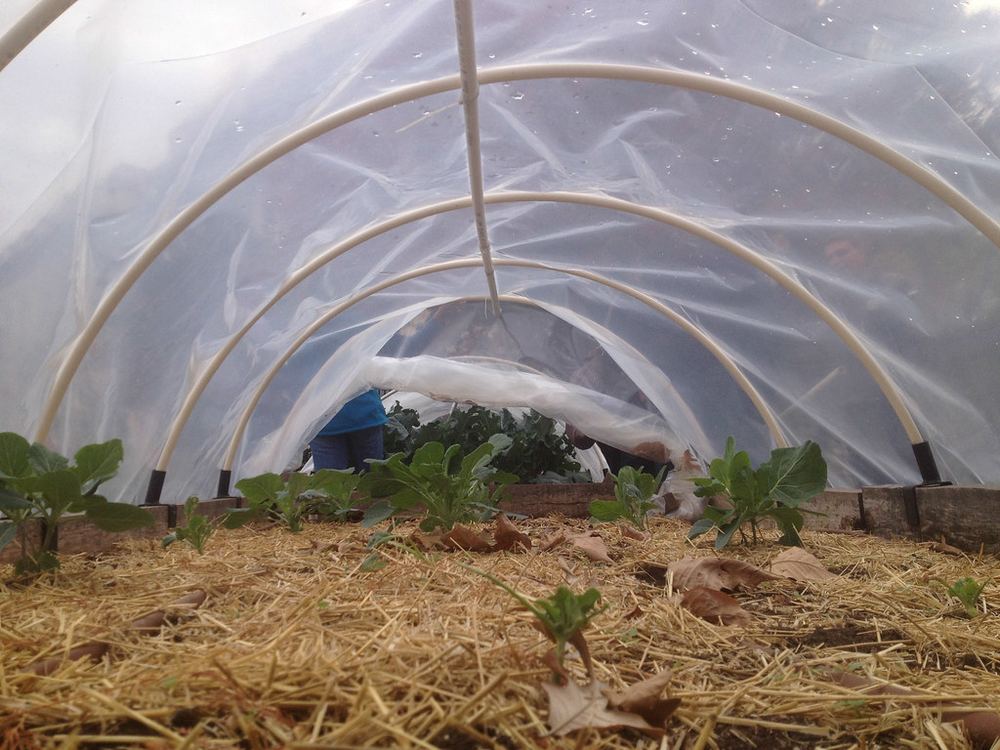
PVC hoops bent over a simple base frame make the lightest movable run on this list — two people can carry it, and one person can drag it. It goes up in an afternoon with no sawing beyond cutting pipe to length.
Be honest about its limits: PVC goes brittle in hard sun over a few seasons and a determined dog can push through a hoop run. Use it where predator pressure is low, or as a daytime-only run, and read the full PVC run guide before you buy pipe.
4. Walk-In Wood Frame Run
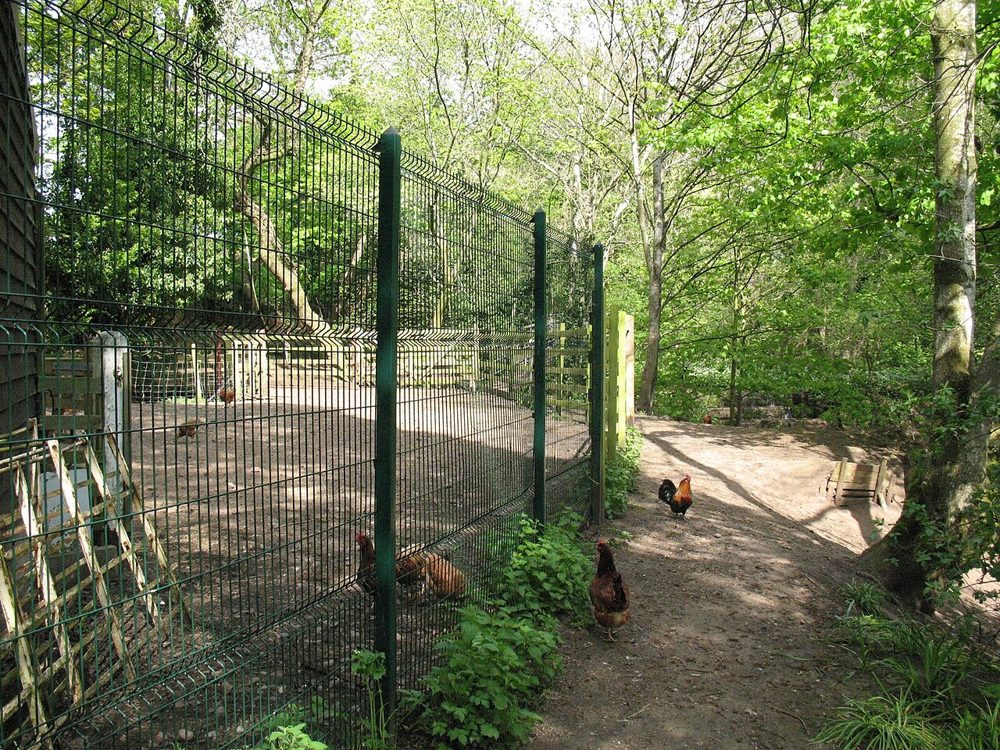
The run you will still be happy with in five years. A full-height door means no stooping to clean, hang feeders or catch a hen, and a framed roof keeps hawks out and rain off. It costs the most on this list because lumber and a real roof are not cheap — but per year of use, it is the cheapest run here.
Frame it like the free 8′ × 16′ starter plan: posts every 4 feet, a mid rail, hardware cloth everywhere, and a sloped roof you can add later if the budget needs staging.
5. Dog Kennel Conversion Run
Used chain-link dog kennels are the worst-kept secret in backyard chickens: they appear second-hand constantly, assemble with clamps in an hour, and make an instant 100-square-foot run. The frame is genuinely sturdy — the mesh is the weak point.
Chain-link gaps let raccoons reach through and let young hens slip out, so line the bottom 2–3 feet with hardware cloth, add a mesh or tarp roof against hawks and climbers, and fit a latch a raccoon cannot flip. Do those three things and this is the best value-per-hour build on the page.
6. Cattle Panel Hoop Run
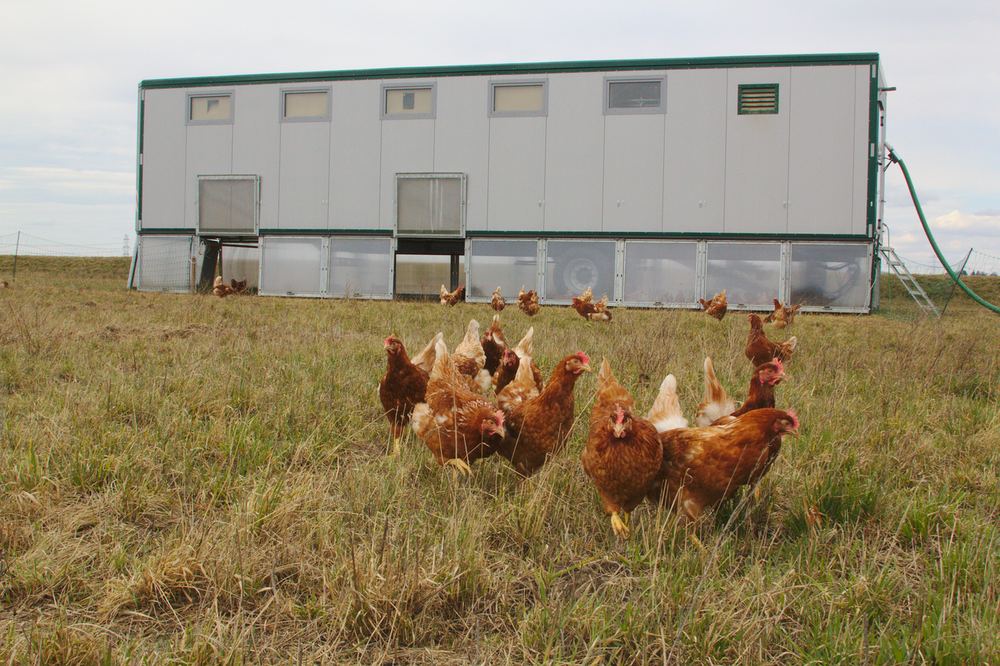
Two or three 16-foot cattle panels arched between ground rails make a hoop house strong enough to shrug off snow load and storm winds that flatten lighter runs. Cover with hardware cloth (the panel grid alone is far too open) and finish one end with a framed door.
It is the strongest cheap structure on this list and the panels hold their resale value if you ever quit chickens. Wear gloves — cut panel edges are vicious — and anchor the rails; a hoop run is a sail until it is staked down.
7. Run Attached to a Shed or Garage
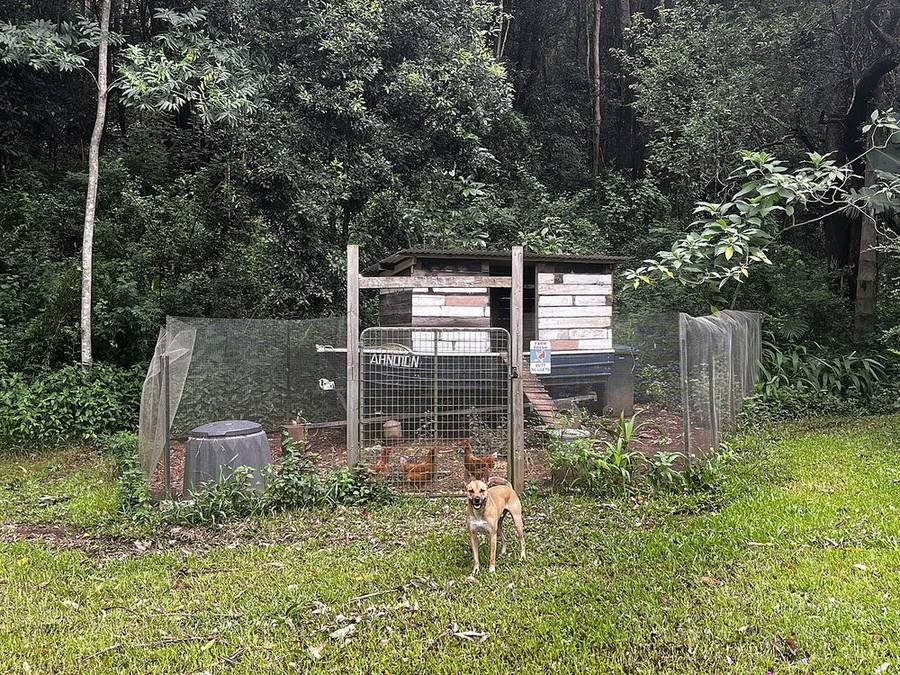
One wall already exists, so you only build three. A lean-to run against a shed or garage saves roughly a quarter of the framing cost, gains a windbreak for free, and puts the flock next to the building where you store feed.
Watch two things: drainage — roof runoff from the building must not pour into the run — and the wall material itself, because hens will peck and scratch at siding at ground level. A sacrificial base board along the wall solves the second problem for a few dollars.
8. Covered Run with a Real Roof
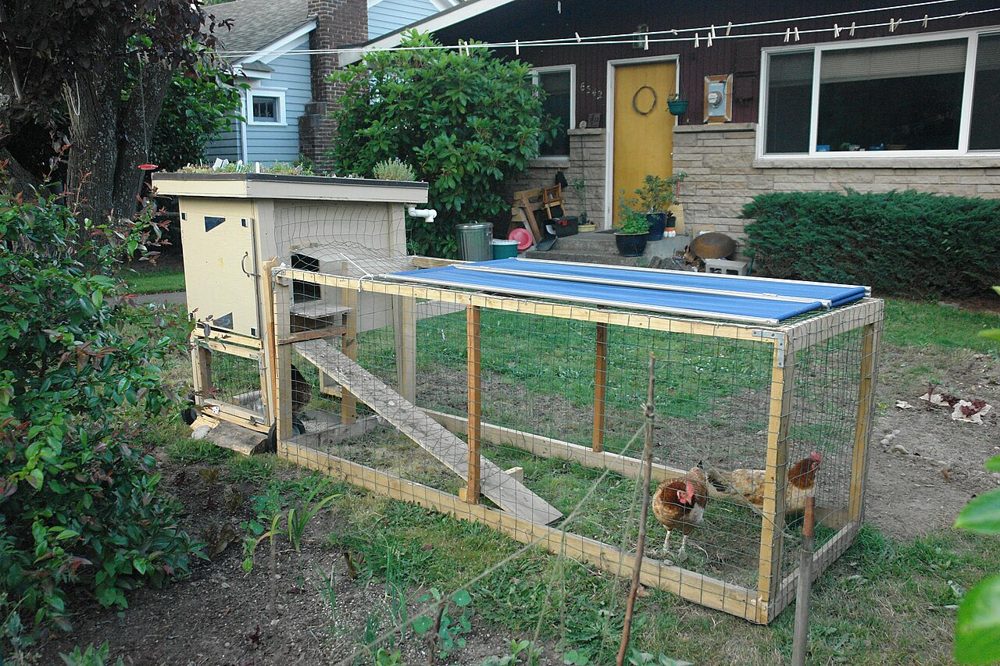
Mud is the number one reason runs get abandoned, and a roof is the cure. Clear polycarbonate panels keep the light, shed the rain, and turn a swamp into dry, dust-bathable ground. A tarp works for one season; panels work for ten.
Give the roof real slope (at least 1 inch per foot), overlap panels away from the prevailing wind, and leave the top few inches of the walls open mesh under the eaves for ventilation. Dry ground also means cleaner eggs and far less smell — this upgrade pays for itself in bedding alone.
9. Chicken Tunnel (Chunnel) Around the Garden
A low mesh tunnel that runs around or between garden beds: the hens patrol the paths, eat slugs, beetles and dropped fruit, and cannot reach the crops. It is the most fun build on this list and the only one that pays you back in pest control.
Make tunnel sections in 8-foot lengths of bent welded wire so you can lift and move them for access, and connect the tunnel to the main run with a closable pop door. A chunnel is a supplement to a proper run, not a replacement — the flock still needs its full 10 square feet per bird of home ground.
10. Repurposed Trampoline Frame Run
Flip a trampoline frame, wrap it in mesh, and the round steel ring becomes a surprisingly roomy run with a built-in door gap where the ladder was. The frames are galvanised, strong, and so unwanted second-hand that many are free for collection.
The round shape wastes no corners and hens use the whole area, but fitting a roof to a circle is fiddly — a shade cloth or a centre-pole tarp cone is the usual answer. Line the bottom edge carefully: the gap between frame and ground on uneven lawn is exactly where a hen gets out and a mink gets in.
11. Under-Coop Run Extension
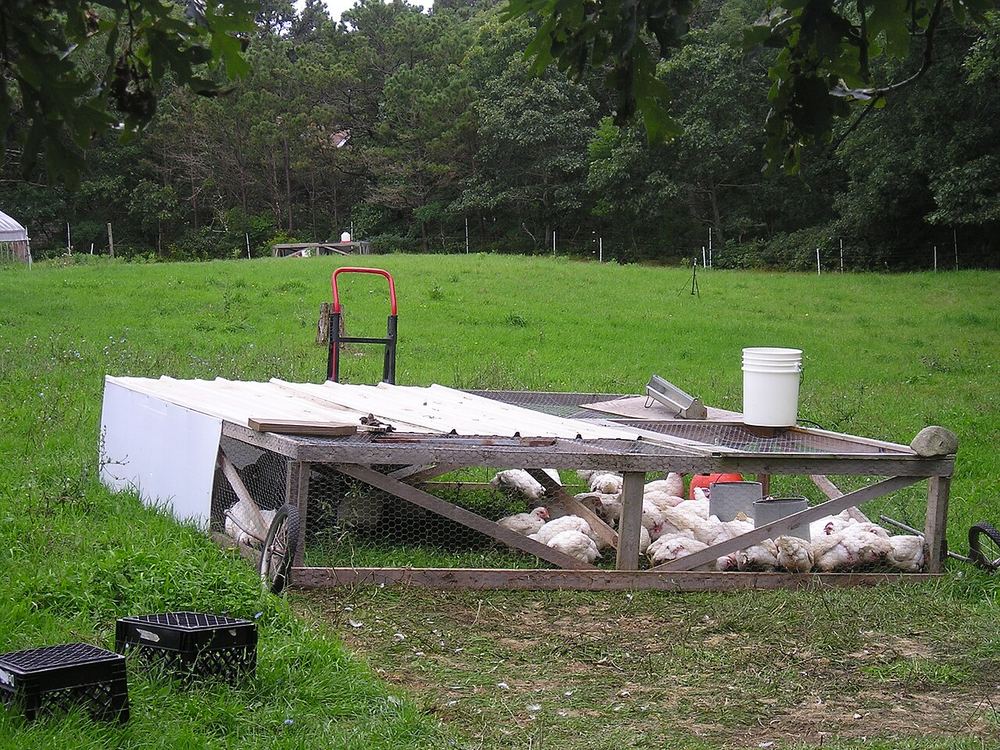
If your coop stands on legs, the shaded space underneath is run area you already own. Enclose it with hardware cloth and a small access door and most flocks will spend half the day there — it is dry in rain, cool in summer, and feels safe from hawks, so hens genuinely prefer it.
It does not replace run area in the sizing maths unless it is tall enough for a hen to stand and flap comfortably (about 18 inches minimum), but as bonus space it is the cheapest square footage on this list. Make one side a removable panel: you will need to get under there to retrieve eggs laid in the far corner, because hens are like that.
12. Greenhouse Frame Run
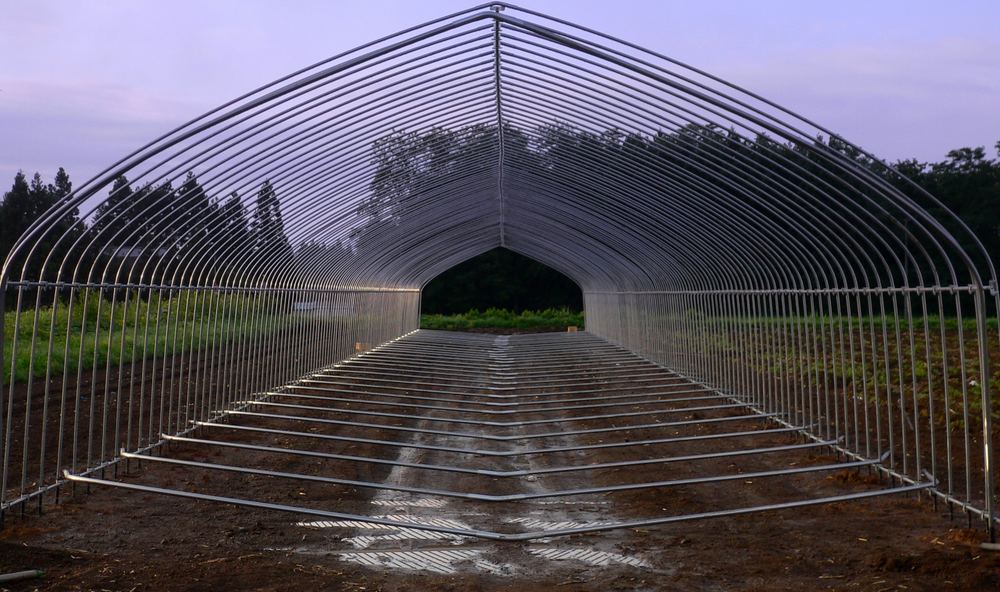
A dead greenhouse frame is a run waiting to happen: swap the torn plastic for mesh and you keep the hoops, the door frame and the anchors. In winter you can panel one end with the old plastic as a windbreak and have the cosiest run on the street.
Ventilation is the catch — a fully meshed frame is fine, but any solid covering in sun turns it into an oven within the hour. Keep at least the top third mesh in summer, and site it so the flock gets afternoon shade.
13. T-Post and Welded Wire Run
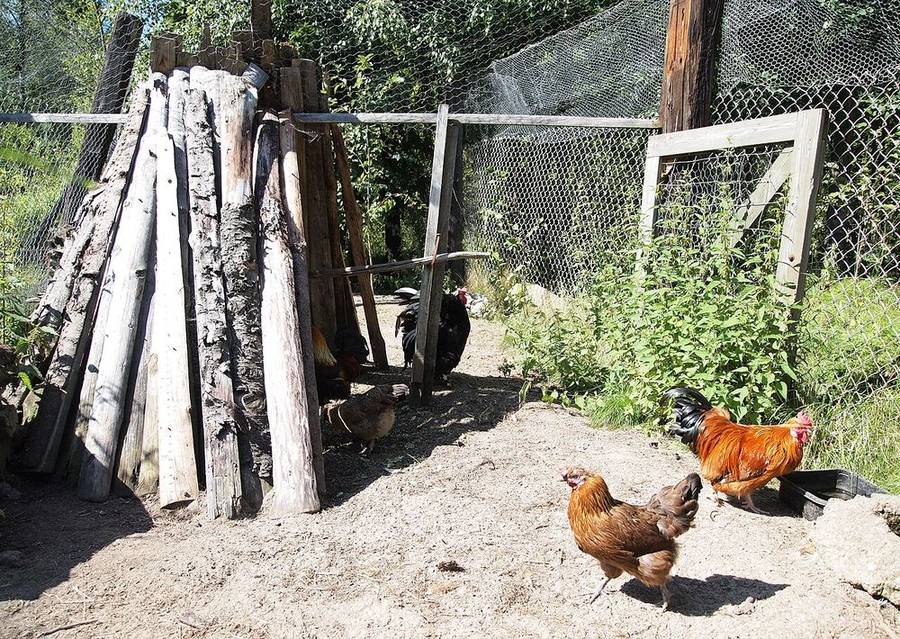
The farm answer: steel T-posts every 8 feet, welded wire fencing unrolled and clipped on, done by lunch. Per square foot, nothing else on this list comes close for a large flock, and it comes down as fast as it went up if you move house.
It is also the least predator-resistant design here in stock form — welded wire bends, and there is no top rail to stop sagging or climbers. Treat it as a daytime run, or upgrade the bottom with a hardware-cloth skirt and add a strand of electric poultry netting outside if foxes visit. Honest trade, honestly labelled.
14. Modular Metal Panel Run
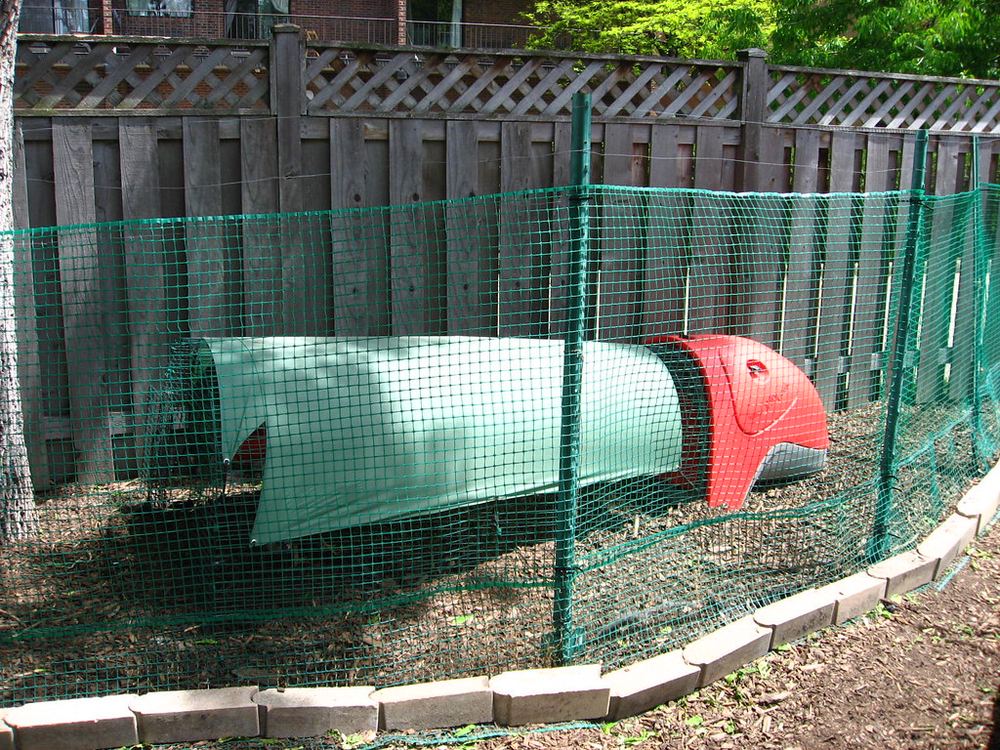
Prefab galvanised panel runs — the flat-pack kits sold everywhere now — are the one non-DIY entry here, included because for some people they are genuinely the cheapest option once you price your own weekend. Bolt-together panels, a door with a latch, and a roof cover in the box.
Check two things before buying any kit: the mesh size (many ship with openings a raccoon arm fits through — budget for a hardware-cloth lining) and the steel gauge, because the lightest kits fold in the first storm. Assembly is an afternoon; the lining is another hour well spent.
15. Long Narrow Side-Yard Run
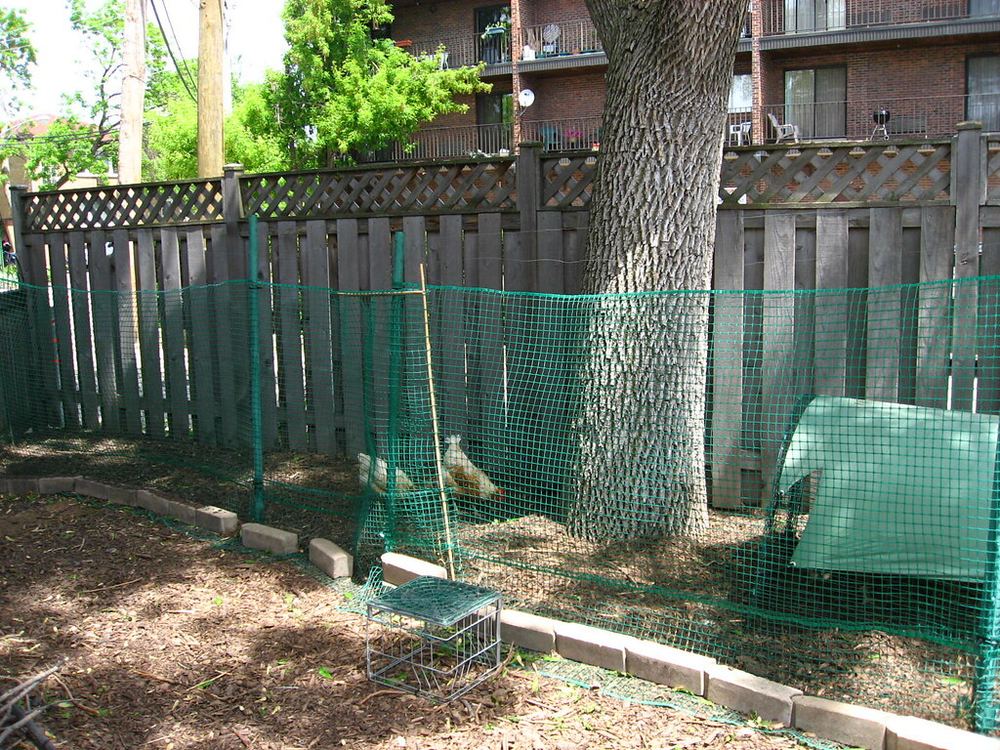
The dead strip between house and fence — too narrow for anything else — is a ready-made run corridor. Hens do not care that their 80 square feet is long instead of square; they care about dry ground, shade at one end, and room to pass each other (4 feet wide is enough for that).
Use the house wall and the fence as two of your sides and you only frame the two ends and a top. Mind your local rules: some ordinances set coop setbacks from property lines, and a side-yard run sits exactly on that question, so check before you build, not after a neighbour complains.
Which cheap run should you build?
If the flock is small and the grass matters, build #1, the A-frame tractor. If you have free pallets, #2. If you tend the flock daily and plan to keep hens for years, skip the bargains and frame #4 once — or start from the free 8′ × 16′ plan, which is #4 drawn out in full. On a hard budget, read the budget breakdown before buying anything: the mesh is where the money should go.
Ready to build one properly?
Our free starter plan — the Backyard Run, 8′ × 16′ — gives you the full materials list, tool list and step-by-step build outline for a run that holds up to 12 hens.
Keep planning
12 Pallet Chicken Run Ideas
The pallet deep-dive: runs, tractors, gates and the pallet stamps to avoid.
PVC Pipe Chicken Run Guide
The lightest movable run — pros, cons and an honest verdict.
Predator-Proof Chicken Run
Hardware cloth, aprons and latches: the checklist that keeps a cheap run safe.