Chicken Run on a Budget: Where the Money Actually Goes
Every "cheap chicken run" article waves at free pallets and calls it done. This one shows the receipts: what six budget builds really cost in 2026, the cost split nobody mentions, and the one material you must never buy cheap.
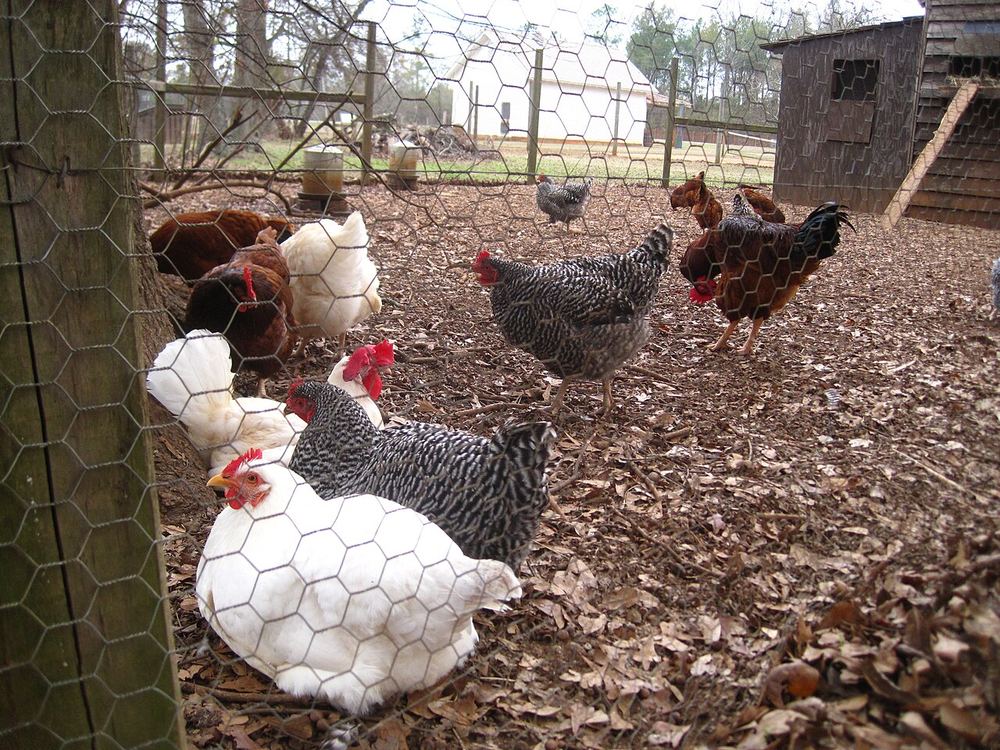
The six budget builds, priced honestly
| Build | Realistic total | Where the money goes |
|---|---|---|
| Salvage and pallet builds | $0–$140 | Pallets, scrap lumber, a retired trampoline or greenhouse frame. The structure is free; you pay for mesh, screws and hinges. See the pallet ideas for what free wood can do. |
| PVC hoop run | $90–$160 | The cheapest purpose-bought build. Pipe is cheap, mesh is half the bill. Full breakdown in the PVC guide. |
| Kennel conversion | $80–$180 | A used dog kennel plus a hardware-cloth lining and roof mesh. The best cost-per-hour on this page if a kennel turns up locally. |
| T-post and welded wire | $130–$230 | The lowest cost per square foot for a big flock — with the predator caveats stated plainly in the ideas list. |
| Cattle panel hoop run | $150–$260 | More money, much more structure. The budget pick for wind and snow. |
| Framed wood run (staged build) | $280–$450 | Build the frame and mesh now, add the roof next season. Staging is how a permanent run fits a monthly budget — the free plan is written so the roof is optional at first. |
The cost split nobody tells you
On almost every cheap run, the mesh costs more than the structure — typically 40–60% of the whole budget. That is why "free" pallet runs still cost $60–$140: pallets are free, ½-inch hardware cloth is not. Any budget plan that does not start with the mesh price is fiction. Measure your perimeter, price the mesh first, and let what remains decide the structure.
Spend here, save there
Never cheap out: the mesh and the latches
Chicken wire is the classic false economy — it is sold for chickens, priced like a bargain, and tears under a raccoon like tissue. Buy ½-inch, 19-gauge galvanised hardware cloth at least for the bottom 3 feet and any section a predator can reach, and fit two-step latches (a latch plus a carabiner) on every door. Our predator-proofing guide explains the reach-through problem in full. A run rebuilt after an attack costs more than hardware cloth ever did.
Safe to save: structure, roof, and size (in that order)
- Structure: salvage, pallets, T-posts, an existing wall — all legitimate savings.
- Roof: start with shade cloth or a tarp, add rigid panels in year two. Hens need dry ground more than they need a pretty roofline on day one.
- Size: build the minimum honest size now — 10 sq ft per hen — with one end designed to extend later. Undersizing below that minimum is not a saving; it is a behaviour problem (feather pecking, bullying) you will pay for in a rebuild.
Three more ways the total drops
- Buy mesh in a full roll. Per foot, a 100-foot roll of hardware cloth is dramatically cheaper than cut lengths — and the offcuts become aprons, skirts and the next project.
- Time purchases to the project, not the panic. Kennels, trampolines and panels appear second-hand in waves (spring clear-outs, moving season). A two-week wait routinely halves the structure cost.
- Share the fixed costs. Screws, hinges and tools amortise across projects; the second run you build is always cheaper than the first.
Ready to build one properly?
Our free starter plan — the Backyard Run, 8′ × 16′ — gives you the full materials list, tool list and step-by-step build outline for a run that holds up to 12 hens.
Keep planning
15 Cheap DIY Chicken Run Ideas
All fifteen builds with spec cards and cost ranges.
12 Pallet Chicken Run Ideas
The deepest savings live here.
How Big Should a Chicken Run Be?
The minimum sizes that keep a budget build honest.